This Is Awesome: A TYPO3 DevDays Story

A wrong turn through a forest, a cornfield, and finally a tech conference. At TYPO3 Developer Days, I discovered just how closely the TYPO3 and Symfony communities are connected — through shared technology, familiar challenges, and one important principle: build for your users.
Maps gave me two routes to the conference venue: alongside the highway, or through "the park." Naturally, I picked the park (which turned out to be an honest-to-goodness forest). There I was, laptop bag over my shoulder, dress shoes and all, picking my way past a flooded stretch of trail that someone had bridged with what I'll generously call sticks.
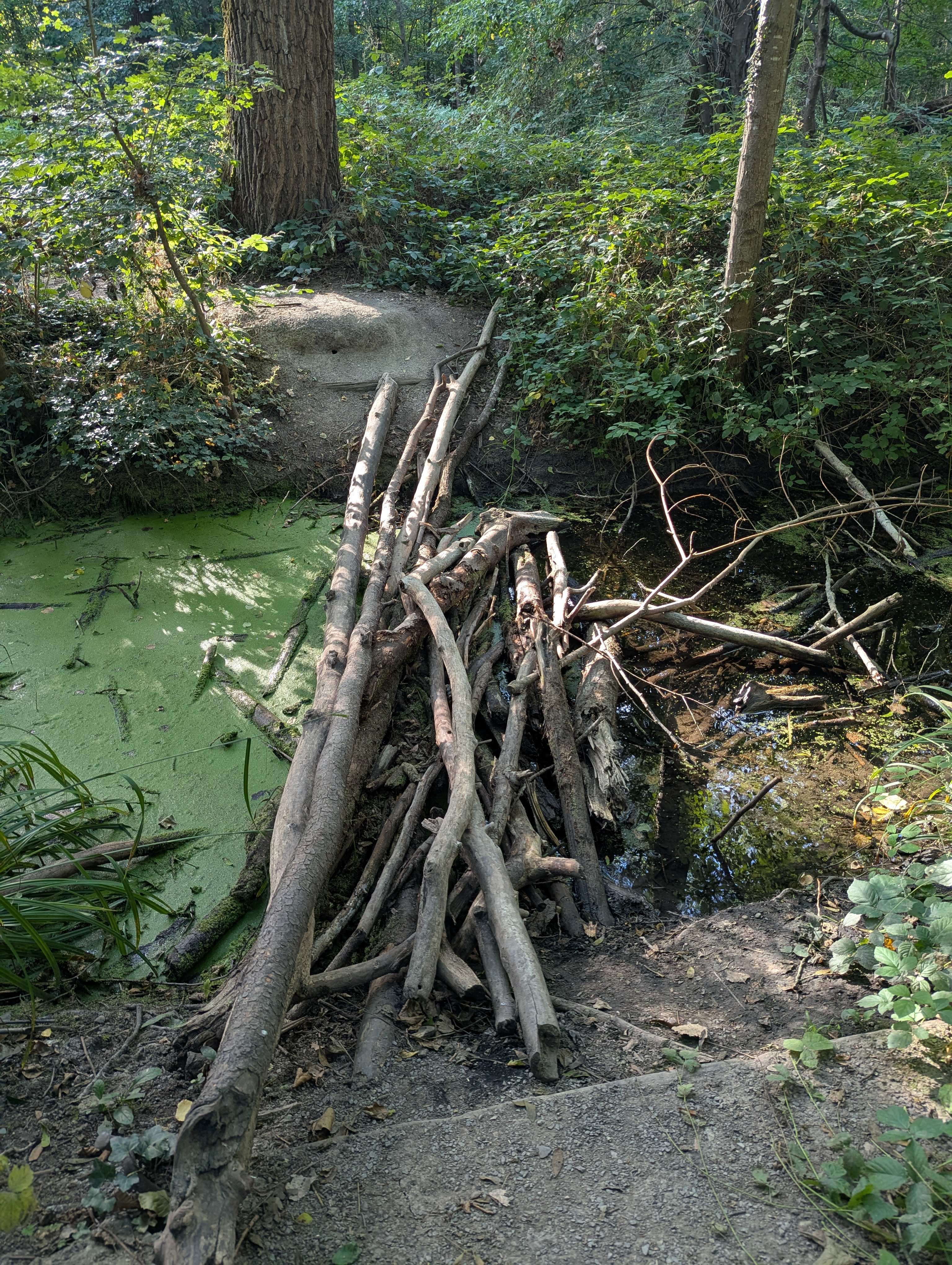
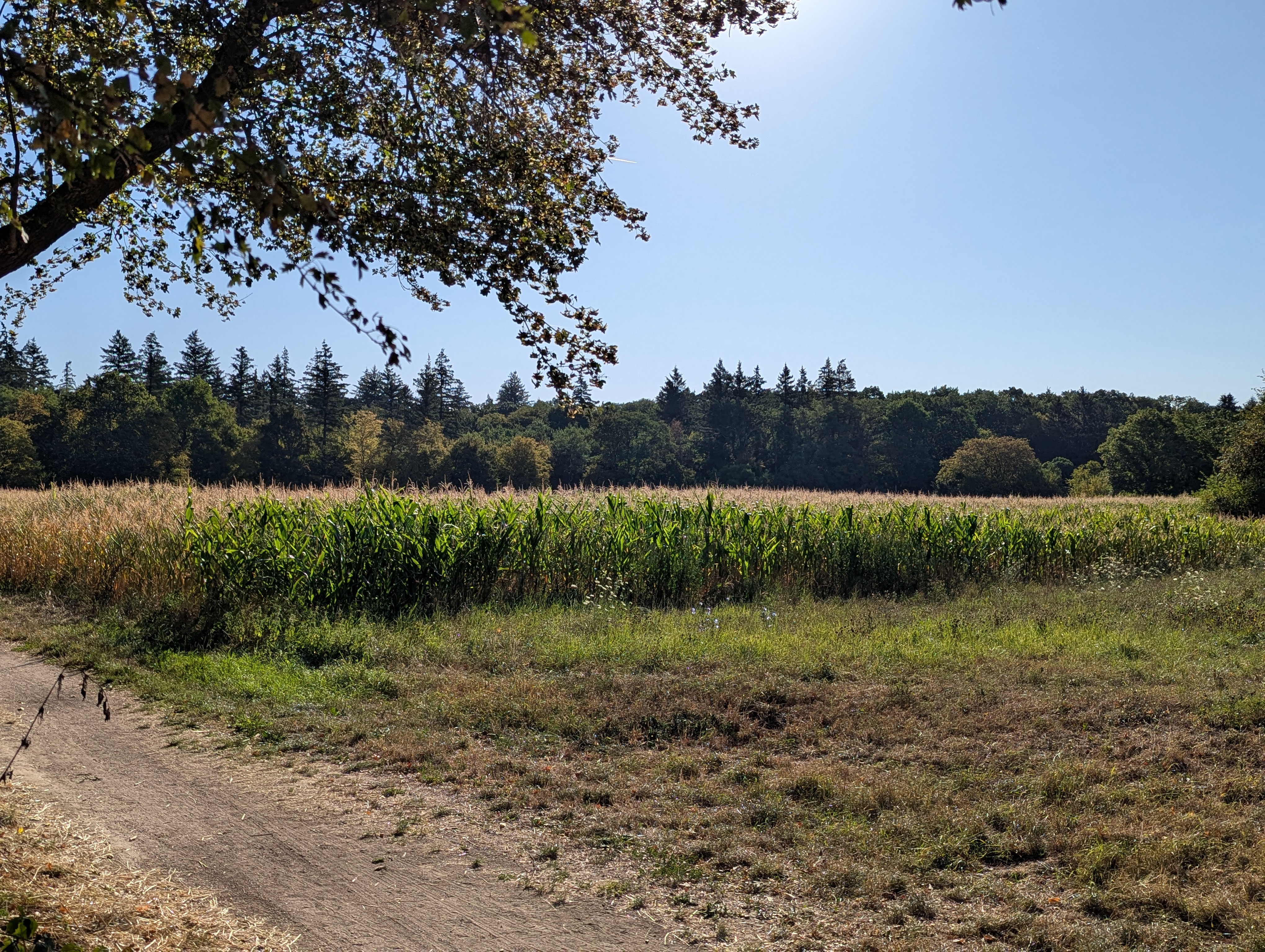
Just when I thought I'd finally arrive, the trees gave way to a full cornfield. I stood there and chuckled while thinking this is awesome , then spotted the venue right on the other side.
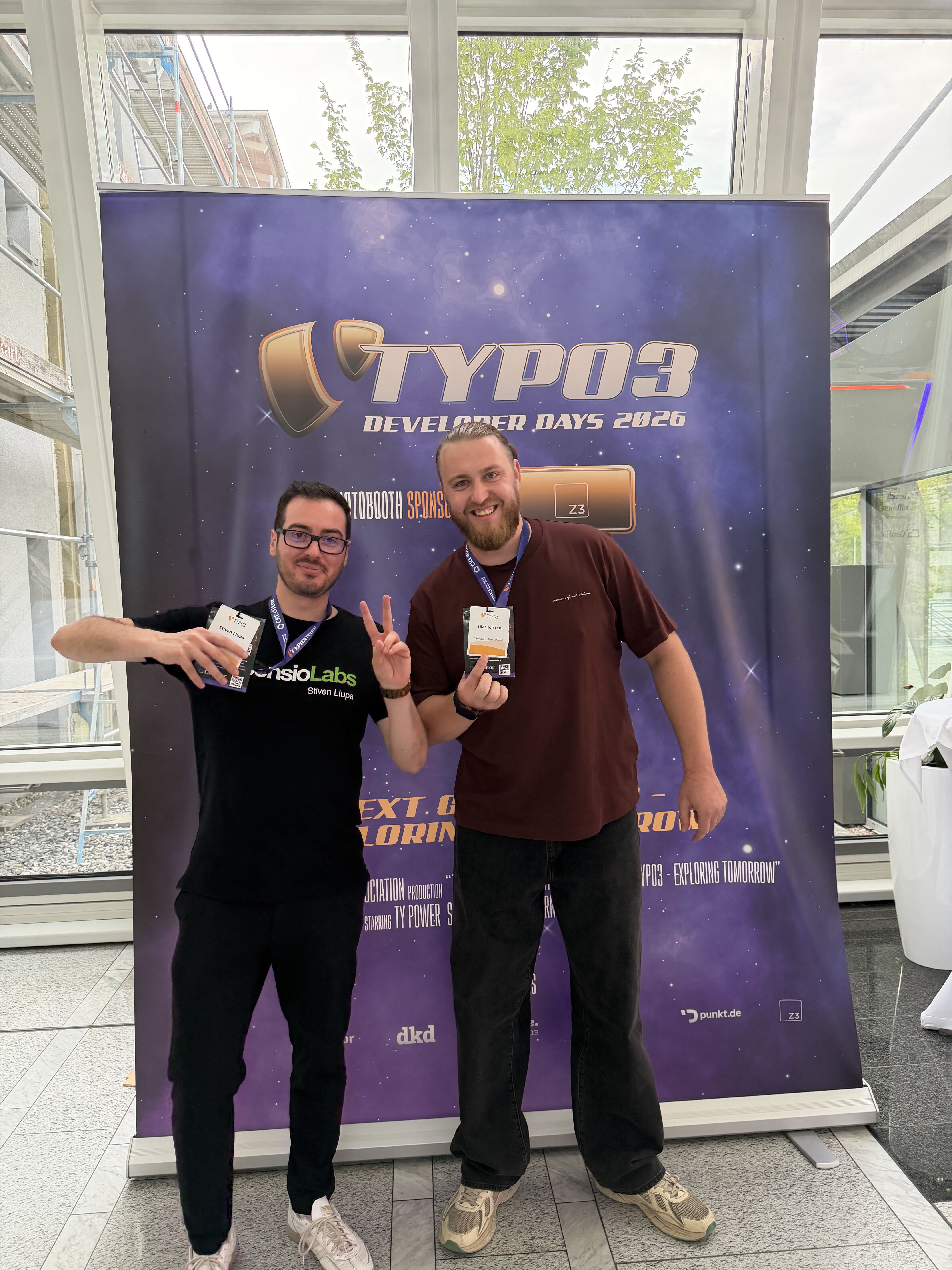
My colleague Silas and I had been invited over from the Symfony community, and once you look under TYPO3's hood, the invitation makes complete sense. Since TYPO3 v10, its core dependency injection container has been built directly on Symfony's DependencyInjection component, alongside Console for CLI commands, EventDispatcher for its PSR-14 event system, and pieces like Mailer, Messenger, and Routing. It's not a courtesy shout-out; TYPO3 deliberately chose to lean on Symfony's implementation instead of building its own, so developers moving between the two ecosystems would feel at home. Which, as it turns out, is exactly what happened to us.
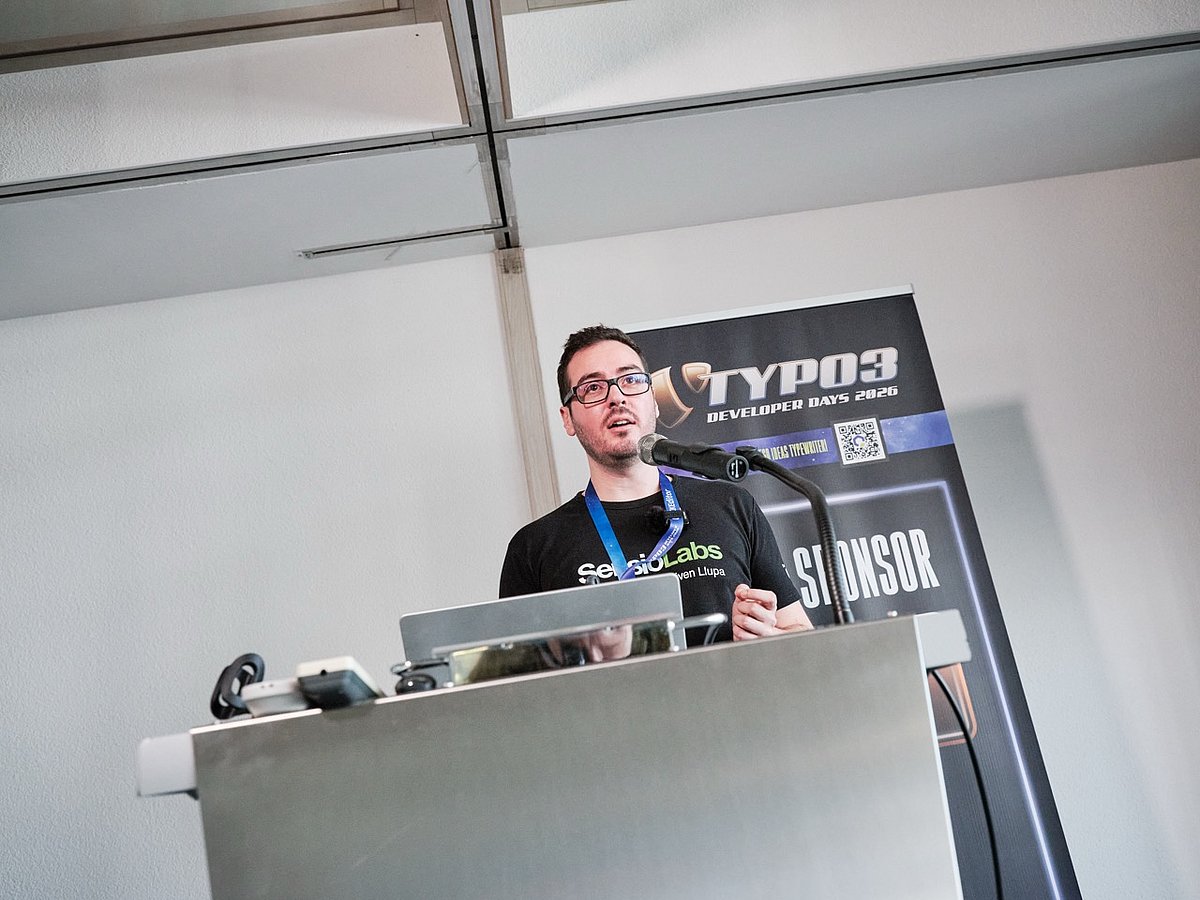
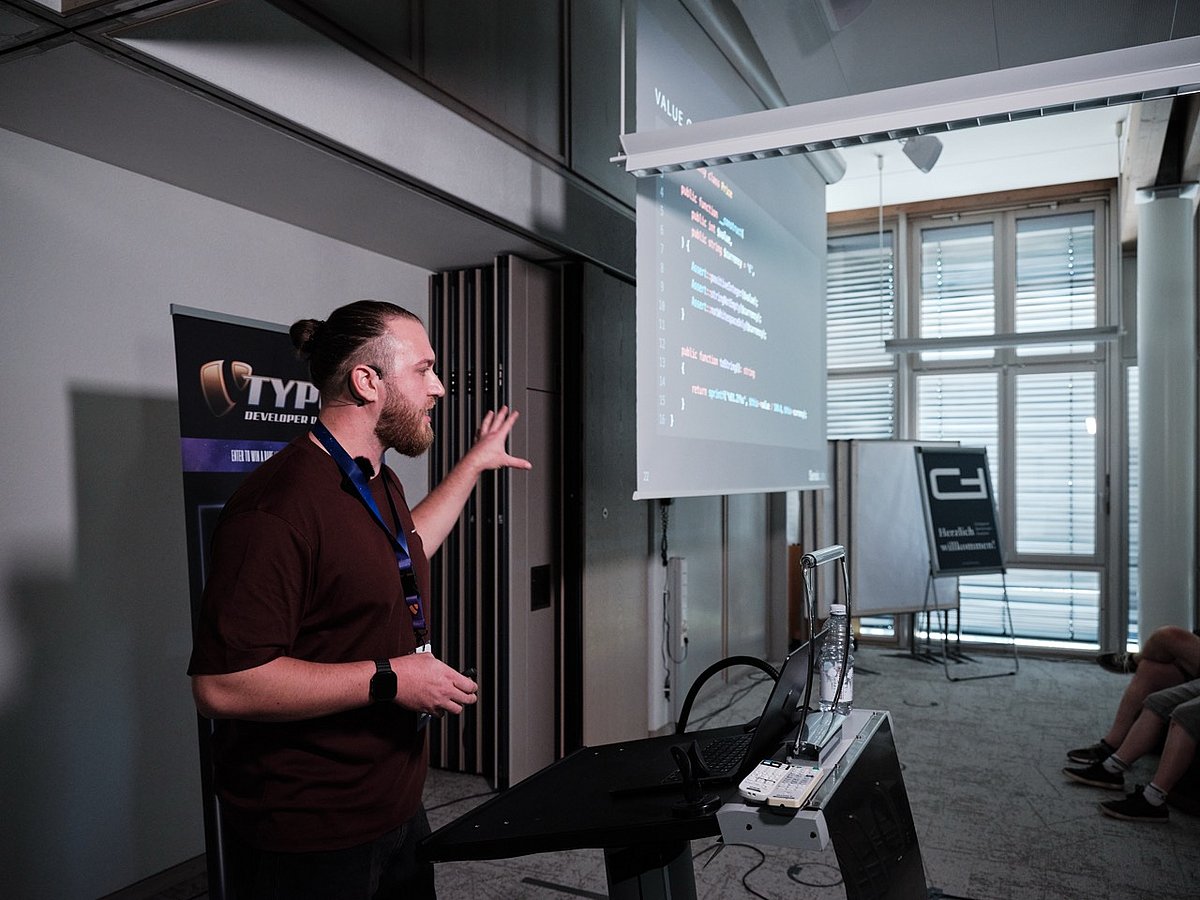
That trip wasn't just about attending, I got to speak too at Typo3 DevDays. My talk, Speccing Out Teamwork, drew on a decade of Symfony project work to lay out concrete practices a dev team can adopt on top of whatever process framework (Scrum, Kanban, or otherwise) their organization already runs. Silas followed up with Refactor Like a Pro: Clean Code Meets DDD, a genuinely useful, hands-on walkthrough of turning legacy spaghetti into code that actually speaks the domain, using clean code principles, DDD building blocks, and tooling that makes refactoring safe and automated.
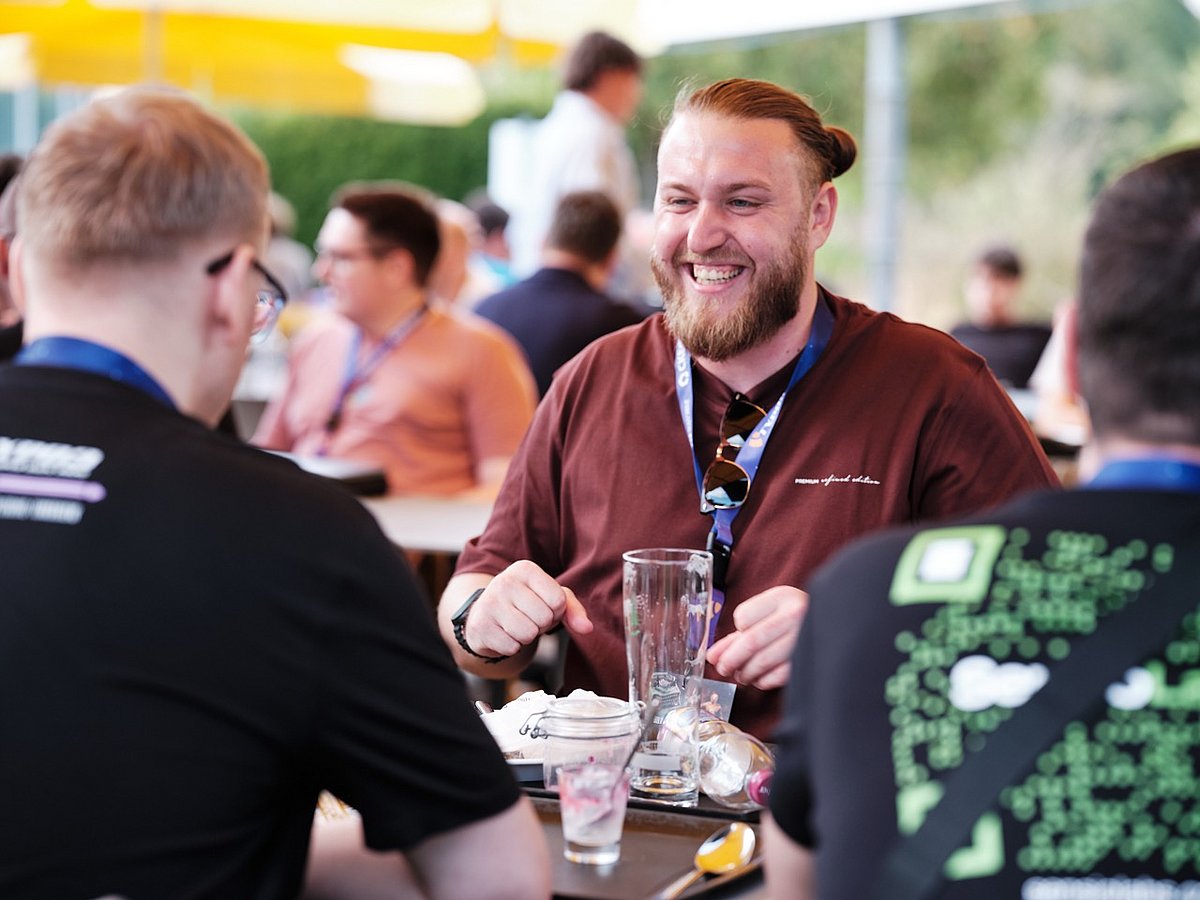
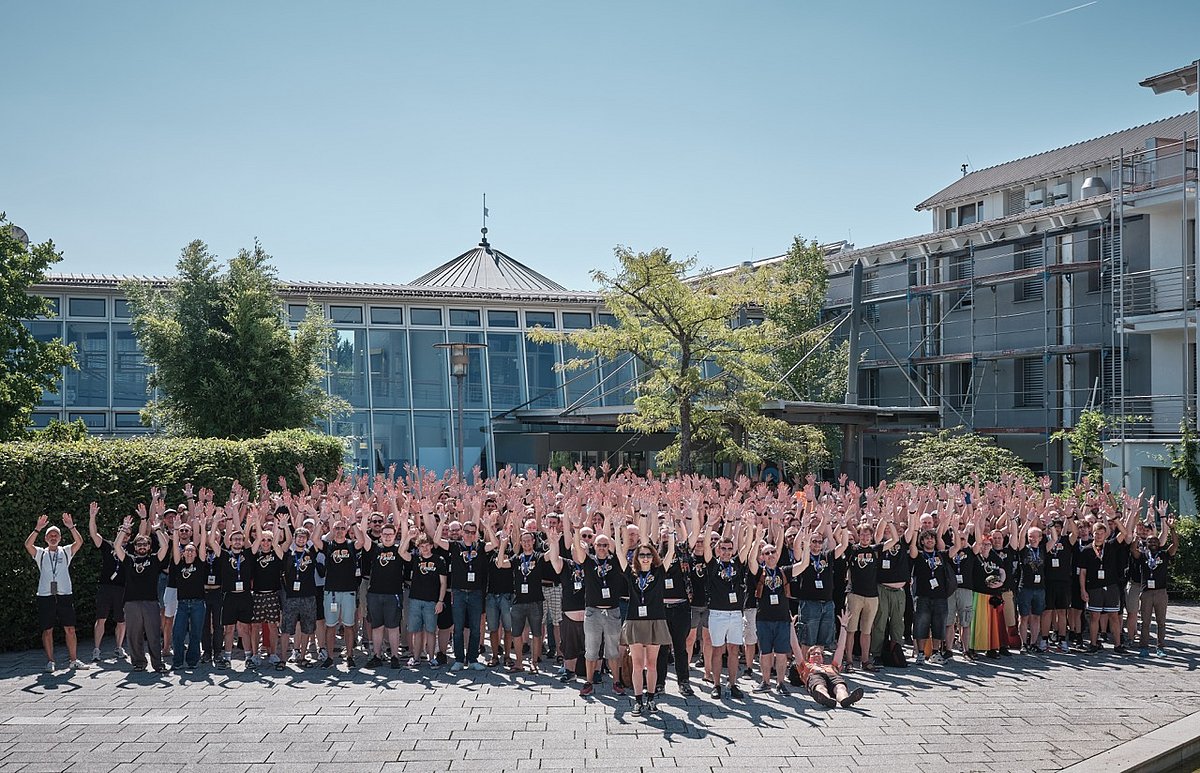
Beyond the talks, the atmosphere was just as memorable, genuinely warm and welcoming, the kind of crowd that makes it easy to strike up a conversation with a stranger over coffee. Some of the best moments happened in those in-between chats: swapping notes with people solving the exact same problems I deal with day to day, just through a different framework's lens. Hearing how another ecosystem approaches something you thought only had one obvious answer has a way of making you rethink your own.
One thing that stuck with me across the whole event: how many speakers, in totally different talks, kept circling back to the same idea: build for your users. Not for the framework, not for the demo, not for what's technically impressive, but for the actual person on the other end.
Funny how a wrong turn through a forest ends up teaching the same lesson as a tech conference: sometimes the obvious path isn't the one that matters. It is the one that people will love taking.